

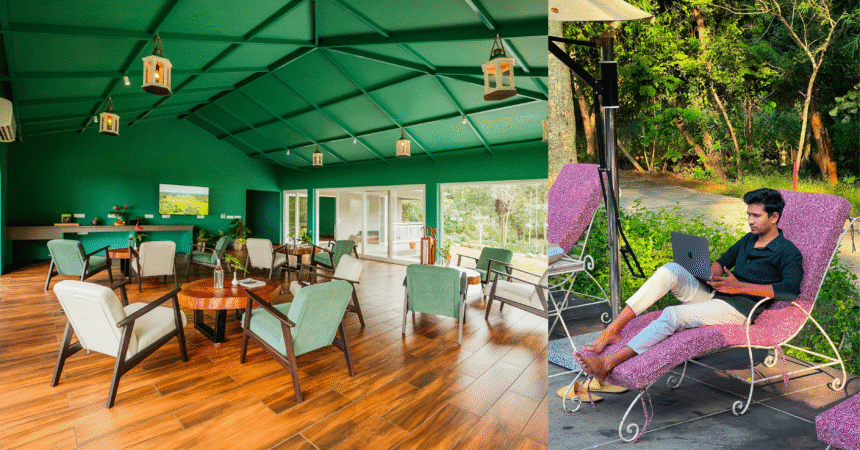
What is How Luxora Digital Is Helping Luxury Hotels Redefine Brand Experience for 2026.?
How Luxora Digital Is Helping Luxury Hotels Redefine Brand Experience for 2026. is a trending topic covered by Sejal News Network with latest updates and insights.
With the global hospitality industry heading toward the year 2026, a silent yet conclusive change is taking place in luxury hotels. Visitors are no longer basing their property choices purely on room size, food menus, or facilities. Decisions are increasingly influenced by emotional perception, digital storytelling, and the way a brand makes them feel even before arrival. Luxora Digital is positioned as a strategic player in this evolving environment, helping luxury hotels, resorts, and experiential properties preserve long term brand value rather than chasing short term attention. This vision is consistently articulated by Luxora Digital CEO Umesh Kumawat, who emphasizes that perception precedes purchase in modern luxury hospitality.
Luxora Digital is founded on a clear philosophy that luxury is not sold through noise, trends, or continuous advertising. It is communicated through restraint, consistency, and thoughtful presentation. The agency focuses on helping hospitality brands translate their physical experience into digital perception with clarity and purpose. Instead of viewing marketing as a set of isolated campaigns, Luxora treats branding as a complete ecosystem, where visuals, tone, pacing, and narrative collectively express the soul of a property. According to CEO Umesh Kumawat, this ecosystem driven approach is what allows luxury brands to remain relevant without diluting their identity.
One of the most important lessons shaping luxury branding in 2026 is the declining trust in influencer driven and guest generated content for premium hotels. While such content can create short term visibility, it often places the individual in the spotlight rather than the property itself. The hotel becomes a backdrop instead of the hero. Over time, this weakens brand identity, as the same audience is repeatedly exposed to unrelated properties and varied price segments promoted by the same creators. Luxora Digital advocates for brand owned content that remains focused, controlled, and aligned with the hotel’s vision rather than relying on borrowed attention.
Sound and atmosphere are other critical aspects of luxury branding that often go overlooked. Many hotels rely on borrowed digital trends that create familiarity but fail to build memory or recall. Luxora emphasizes that premium hospitality experiences must be multisensory and distinctive. The quiet rhythm of a lobby, the harmony of early morning light, and the subtle ambience of a room contribute far more to emotional memory than popular audio trends. As noted by Umesh Kumawat, luxury brands that design their own sensory language will command stronger recall and emotional connection in the years leading to 2026.
Editing style and pacing also play a defining role in how luxury is perceived. Fast cuts and high energy formats may attract quick attention, but they rarely communicate scale, elegance, or confidence. Luxury spaces are designed to be absorbed slowly. Luxora Digital approaches content with a cinematic mindset, allowing spaces to breathe and moments to unfold naturally. This approach aligns digital storytelling with the real guest experience, avoiding visual clutter and reinforcing premium perception.
Another common misconception in hospitality marketing is that showing more people creates aspiration. In reality, luxury thrives on space, tranquillity, and exclusivity. Overcrowded visuals often make even the finest properties feel busy and easily accessible rather than rare and composed. Luxora’s branding philosophy highlights that controlled emptiness and intentional stillness are powerful indicators of high value. In the future, aspiration will be driven not by popularity, but by the promise of privacy, calm, and curated experience.
Pricing communication is another area where luxury brands often dilute their perception. Frequent offers and aggressive promotions may drive short term occupancy, but they gradually reposition a hotel as negotiable rather than desirable. Luxora Digital encourages hospitality leaders to build desire through storytelling instead of urgency through discounts. Premium guests are influenced by perceived value, emotional alignment, and trust rather than price pressure. Strong branding protects pricing power far more effectively than promotional tactics.
Originality is equally essential. Luxury hotels often fall into the habit of copying competitor content that appears to perform well. Over time, this creates an environment where everything looks similar and nothing feels distinctive. Luxora helps brands define and protect their own visual language so that recognition is built through repetition of identity rather than imitation. In a crowded luxury hospitality market, originality is not a creative risk but a strategic necessity.
What positions Luxora Digital as a valuable partner for General Managers is its ability to align creative execution with leadership vision. Luxury branding is not the responsibility of the marketing department alone. It is a leadership decision that influences perception, pricing, loyalty, and long term relevance. As the hospitality industry moves toward 2026, Luxora Digital, under the leadership of CEO Umesh Kumawat, offers a refined framework where trust, emotion, and brand integrity take precedence over trends, reach, or momentary visibility.

