


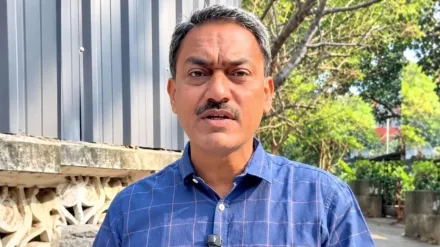
Pune [India], September 18: Social media influencer and YouTuber Santosh Gajanan Pandit has been granted bail by a Pune sessions court in a case concerning allegedly objectionable and sexually suggestive remarks about Maharashtra minister Chandrakant Patil and a woman Pune Municipal Corporation corporator. Pandit was subsequently released from Yerawada Central Jail after the court allowed his bail application.
Pandit was arrested by Kothrud police earlier this month following a complaint filed by a 36-year-old woman. According to the police case, videos uploaded by Pandit on YouTube allegedly contained objectionable remarks concerning Patil and the woman corporator. The complaint also referred to earlier social-media content in which similar remarks were allegedly made about other public figures.
After his arrest, police obtained custody for investigation before he was sent to judicial custody. During the investigation, authorities reportedly seized an iPhone, SIM card, tripod, collar microphone and other equipment allegedly connected with the recording and uploading of the videos. Police were also examining digital material and recording statements as part of the investigation.
The bail application was heard by Additional Sessions Judge S. U. Wadgaonkar. Pandit’s lawyers argued that the words used in the videos were general in nature and did not amount to an offence of outraging a woman’s modesty. They also pointed out that the offences invoked in the case carry a maximum punishment of three years and argued that continued custodial interrogation was not necessary.
The prosecution and complainant opposed bail. They raised concerns about the possibility of Pandit contacting or influencing the complainant and witnesses, as well as the possibility of similar conduct being repeated. Investigators also said that examination of social-media accounts, digital evidence, witness statements and other aspects of the case was still underway.
The court, however, observed that the relevant videos and posts were already available with the investigating authorities. It held that the remaining investigation could proceed without keeping Pandit in custody. The court also noted that the question of whether the statements were deliberately made with the alleged intention or were made in an ordinary context would have to be examined during the trial.
Pandit was granted bail on a personal bond of ₹25,000 along with a surety of the same amount. The court imposed conditions, including that he must not directly or indirectly contact the complainant and must not interfere with or tamper with prosecution evidence.
After his release from Yerawada Jail, Pandit spoke to the media and said that the case had been a major shock for him. He said that the matter was before the court and that he had faith in the judicial process. He also maintained that expressing his views and questioning those in power was his constitutional right.
Pandit further said that his intention was not to hurt anyone’s feelings and added that if anyone had felt offended, he was willing to apologise. At the same time, he said he would continue to exercise what he described as his constitutional right to question people in positions of power.
The case has attracted attention because it involves social-media content concerning a serving Maharashtra minister and a municipal representative. However, the bail order does not determine whether the allegations against Pandit are proved. The court has specifically left the question of his intention and the nature of the alleged remarks to be examined through the legal process.
The FIR was registered at Kothrud Police Station under provisions of the Bharatiya Nyaya Sanhita (BNS) and the Information Technology Act. The investigation remains ongoing, and further proceedings will determine how the allegations develop.
Pandit’s release from Yerawada Jail means he will now face the remaining legal proceedings while out on bail, subject to the conditions imposed by the court. The prosecution will continue its investigation and the court will ultimately consider the evidence presented during the proceedings.