



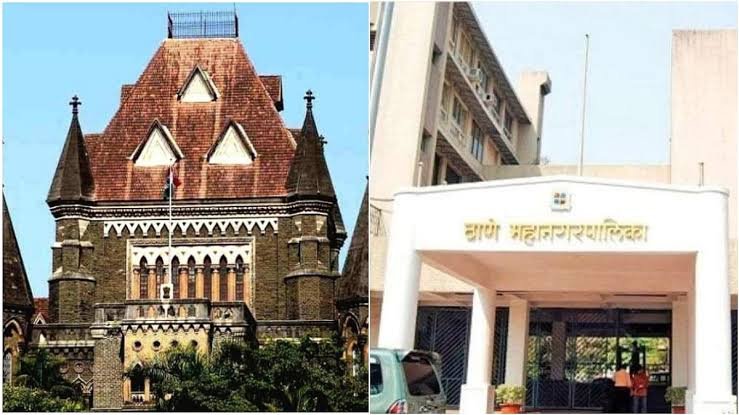
Thane: The delay in forming various statutory and special committees of the Thane Municipal Corporation (TMC) has now turned into a legal issue, with a city-based lawyer warning the civic administration of court action if the committees are not constituted soon.
Advocate Sagar Kadam has reportedly issued a notice to the corporation, giving it 14 days to constitute the pending committees. If the administration fails to act within the deadline, he has warned that a writ petition will be filed before the Bombay High Court.
Committees Still Not Formed After Civic Elections
The issue has emerged despite the formation of the new political leadership in the corporation.
Following the municipal elections held on January 15, 2026, the mayor and deputy mayor were elected, with representatives from the Shinde-led Shiv Sena and BJP taking the two positions. However, several statutory and special committees have reportedly still not been formed.
According to the report, around six to seven general body meetings have already taken place since the new administration took charge, yet the committee formation process remains pending.
The delay has raised questions over the functioning of the civic body and the manner in which important proposals are being scrutinised.
Lawyer Warns of Bombay High Court Action
Advocate Sagar Kadam has reportedly argued that the formation of the committees is not merely an administrative choice but a requirement under the Maharashtra Municipal Corporations Act and related rules.
He has therefore demanded that the committees be constituted without further delay.
The notice gives the corporation 14 days to take the necessary action. If the deadline expires without the committees being formed, Kadam has warned that he will approach the Bombay High Court through a writ petition.
The legal warning puts additional pressure on the civic administration to complete the pending process.
Why Are These Committees Important?
Statutory committees play an important role in the functioning of a municipal corporation.
Major civic proposals, financial decisions and administrative matters often require detailed scrutiny before they move forward. Committee-level discussions provide elected representatives with an opportunity to examine proposals, raise questions and seek clarification from the administration.
Kadam has reportedly argued that the absence of these committees could affect transparency and accountability in the corporation’s functioning.
This becomes particularly important when the civic body is dealing with large financial proposals and major infrastructure-related decisions.
Concern Over Transparency in Major Proposals
The lawyer has also raised concerns about the scrutiny of large expenditure and development proposals in the absence of the relevant committees.
According to the concerns raised, important proposals require detailed discussion before decisions are taken. If the statutory mechanism remains incomplete, questions could arise over whether elected representatives are getting adequate opportunities to examine such matters.
The issue is therefore not limited to the delay in appointing committee members. It also relates to the broader functioning of the elected civic administration.
TMC Faces Pressure to Complete the Process
The warning comes at a time when the Thane Municipal Corporation is dealing with several major civic responsibilities and development projects.
The civic body is one of Maharashtra’s major municipal corporations, and its decisions have a direct impact on infrastructure, roads, public services, development works and municipal spending across Thane.
With the 14-day deadline now issued, attention will be on whether the administration completes the committee formation process or whether the matter eventually reaches the Bombay High Court.
The Thane Municipal Corporation Bhavan is likely to remain at the centre of the issue as the civic administration responds to the legal notice.
Legal Challenge Could Follow
If the committees are not constituted within the stipulated period, Advocate Kadam has indicated that he will seek judicial intervention.
A writ petition before the Bombay High Court could bring the issue under judicial scrutiny and potentially lead to directions regarding the constitution and functioning of the pending committees.
For now, the ball is in the civic administration’s court. The next 14 days could determine whether the issue is resolved administratively or becomes a matter for the judiciary.
The controversy also highlights the importance of ensuring that elected municipal bodies have all their statutory mechanisms in place so that civic decisions can be examined through the appropriate democratic and administrative channels.